Written By:
Marya Dosti
Co-op Owner and Board Member
Marya is a long-time Co-op member who was newly elected to the board this past January. She grew up in the food world and spent her early career working as a food stylist, professional cook, and pastry chef. Marya still cooks and bakes nearly every day — and she rarely skips the golden rule herself: prep it right, not just fast.
Make Your Groceries Go the Distance
Grocery runs hit differently these days, and every dollar counts. We can’t fix gas prices, but we can help your produce work harder for you. Here are our favorite tricks for keeping fruits, veggies, and pantry staples fresher, longer.
The Golden Rule: Prep It Right, Not Just Fast
Don’t undo an hour of shopping by tossing everything straight into the fridge in the bags it came in. Give each item the right treatment before it’s stored, and “right” doesn’t always mean washed: onions, garlic, and potatoes keep best left dry and out of the fridge entirely. For most everything else, skipping the prep is a fast track to spoiled food. It’s one more chore, but future-you will breeze through meal prep.
Leafy Greens & Herbs
- Wash: Cold water (warm wilts greens) + about 1 teaspoon baking soda per quart. Swish gently, let sit 5 minutes, and repeat with fresh water if murky. •
- Dry: Salad spinner or tea towel, then air-dry a bit longer for good measure.
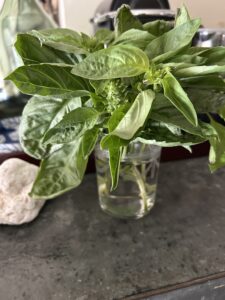
- Store: Wrap in a fresh, dry towel and tuck into a mesh or produce bag before refrigerating. Herbs stand upright in a jar of filtered water like a bouquet, except basil, which prefers the sunny counter. Change the water every couple of days, and most herbs stay fresh up to four weeks.
Fridge Vegetables
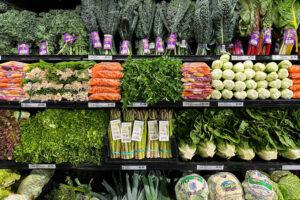
(celery, carrots, cucumber, broccoli, cauliflower, cabbage, green beans, etc.)
- Wash: Same baking-soda bath, but soak 12–15 minutes — the sweet spot for breaking down surface pesticide residue, not just rinsing off dirt.
- Dry: Spin, towel-dry, or air-dry completely.
- Store: Wrap each vegetable in brown parchment paper, twist the ends to seal, and refrigerate. Well-dried veggies wrapped this way last surprisingly long, and the parchment can be reused.
- Snack hack: Prep carrot, celery, and cucumber sticks and store them submerged in water in a sealed container — always crisp and ready for a quick snack.
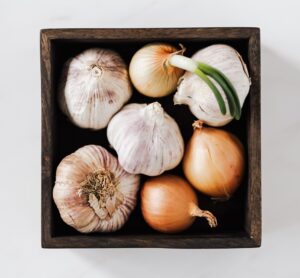
Root Vegetables & Alliums — Skip the Fridge
(onions, garlic, potatoes, winter squash, etc.)
- Wash: Skip it — moisture is the enemy here. Just brush off loose dirt and save the rinse for right before cooking.
- Dry: Keep completely dry; any dampness invites mold and sprouting.
- Store: A cool, dark, well-ventilated spot, like a mesh or paper bag in the pantry rather than the crisper drawer. Refrigeration works against these, turning potato starches to sugar. Keep potatoes and onions apart, too — the gases they give off make each other spoil faster.
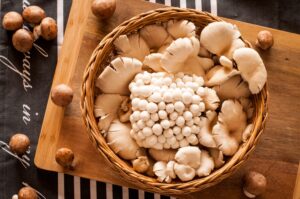
Mushrooms
- Wash: Skip it before storage; mushrooms are porous and soak up water like a sponge, speeding spoilage. Brush off visible dirt or wipe with a barely damp cloth.
- Dry: If wiped down, dry immediately.
- Store: A paper bag in the fridge, never sealed plastic.⭐ Fun fact: fresh mushrooms exposed to direct sunlight for 15–60 minutes really do develop more vitamin D.
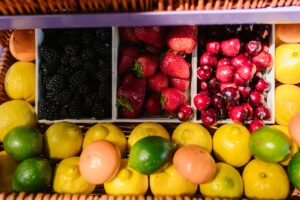
Fruits, Citrus & Berries
-
Apples & Pears: A warm-water baking-soda scrub, soaked 12–15 minutes, then dried completely. Apples keep for weeks on the counter and months in the fridge; pears ripen at room temperature first, then refrigerate once ripe. Both are heavy ethylene producers, so store them away from other produce.
-
Citrus: Same baking-soda bath and soak time, dried well before storing in a ventilated container in the fridge. Citrus keeps 3–4 weeks on the counter, longer refrigerated, and it’s fine to store near other produce.
-
Stone Fruits (peaches, apricots, plums): A cold baking-soda bath and air dry. Ripen on the counter away from ethylene producers, then move to the fridge once ripe.
-
Berries: Skip the baking soda here since berries mold fast; a gentle vinegar rinse works better (1 part vinegar to 3–4 parts cold water, swish, rinse again). Vinegar soaks measurably reduce the bacteria and mold spores that make berries turn. Dry thoroughly, then store in an airflow container lined with paper towels. Don’t stack delicate berries more than 1–2 layers deep, or they’ll bruise.
A Few Specific Favorites
- Bananas: Wrap the stem end in plastic wrap or foil to trap the ethylene gas they release, buying a few extra days.
- Avocado (half): A myth worth retiring: the pit doesn’t keep the whole avocado from browning; it only blocks air where it touches. Rub the cut surface with lemon or lime juice or a thin coat of olive oil, then wrap tightly and refrigerate for 3–4 days.
- Melons, Papayas & Pineapple: Wash the outside before cutting — a real food-safety step, since bacteria on the rind can transfer onto the flesh via your knife. Once cut, store in an airtight container.
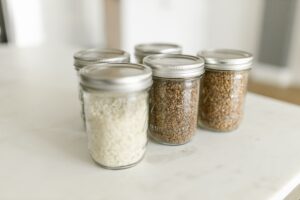
Pantry Staples: Rice, Grains, Beans, Nuts & Flours
- No Washing Needed: These just need to stay dry. Save your glass jars! A good glass jar lasts essentially forever (until it doesn’t), and storing dry goods in glass instead of plastic is an easy way to shrink your kitchen’s footprint.
- Hang Onto: Those little moisture-absorbing packets that come in supplement bottles or packaged foods—they help keep dry goods dry. Just remember to sift them out before you pour, so one doesn’t end up in your dinner by accident.
- Consider: Investing in a vacuum-seal jar attachment for reusing old mason, pickle, pasta, or salsa jars. It’s a small, eco-friendly upgrade that extends the life of both dry and wet foods.
Here’s to fresher food, fuller wallets, and a little less waste in the kitchen. Happy storing!